
 Sound familiar? Part of the Affordable Care Act (ACA), also known as Obamacare, aims to reduce federal payments to the Medicare Advantage (MA) plans over time, and these savings would help pay for some parts of the ACA. In other words, Obamacare is slashing Medicare and MA benefits, which will adversely affect seniors in order to pay for other new programs created under the law that aren’t even for seniors!
According to Robert E. Moffit, Ph.D., “The money is cut from hospital services, Medicare Advantage, skilled nursing services, hospice services, and other Medicare services. To be clear, the cuts do not target individual institutions or medical organizations suspected of waste, fraud, or abuse.” Moffit goes on to say that “The $716 billion in “savings” from Medicare are taken out of the program to pay for new spending in Obamacare. The cuts do not strengthen the Medicare program, nor do they extend the life of the Part A trust fund.” Consequently, the $716 billion that is being cut from Medicare will not enhance Medicare Advantage benefits, and there is speculation that these drastic cuts will also adversely affect traditional Medicare and Medicare Supplements as well!
One way it’s expected to do this is by requiring Medicare Advantage plans to have a “medical loss ratio” of at least 85 percent. This means the companies offering the plans would have to spend at least 85 percent of the money they get on actual medical care. In other words, insurance companies can use no more than 15 percent for administrative costs and profits. As soon as these changes were announced with the ACA’s passage in 2010, there were fears and rumors that this was the beginning of the end for Medicare Advantage plans.
 The Centers for Medicare and Medicaid Services (CMS) recently proposed a 1.9% cut in Medicare Advantage payments next year. If these cuts are implemented, many fear that millions of seniors who currently rely on the Medicare Advantage program will lose the plans, benefits, doctors, and financial protection they currently have. Seniors and people with disabilities who are enrolled in Medicare Advantage plans would face premium increases and benefit reductions of $35-$75 per month, or $420-$900 per year. According to Oliver Wyman of America’s Health Insurance Plans (AHIP), these types of cuts could result in a “high degree of disruption in the MA market,” including the “potential for plan exits, reductions in service areas, reduced benefits, provider network changes, and MA plan disenrollment.”
In all fairness to the supporters of the Medicare Advantage plan cuts, Medicare Advantage plans were paid on average more per beneficiary than what Medicare paid for beneficiaries enrolled in traditional Medicare plans. One of the goals of the ACA is to equalize the federal spending over time, so the government pays the same amount whether a beneficiary enrolls in Medicare Advantage or traditional Medicare. Cuts to Medicare Advantage plans are part of the $716 billion in Medicare spending reductions the health law calls for over the next decade.
As an independent insurance agent, I work primarily with Medicare Supplement (Medigap) insurance plans, which is health insurance for people who are 65 and over. The alternative to Medicare Supplements is Medicare Advantage (MA) plans. Personally, I’m not a big fan or advocate of MA plans because they are much more restrictive than “original” Medicare Supplements. By that I mean you are restricted to the doctors and hospitals in the plan’s network. With Medigap plans, you can go to any doctor or hospital in the country that accepts Medicare, and if you develop a serious illness, you have much greater freedom and options, and you are not limited or confined to a specific network of doctors or a geographic area.
 Medicare Supplements do not include prescription drug coverage. For that, you would have to purchase a separate prescription drug plan (PDP) called “Part D.” (“Part A” is hospital insurance, “Part B” is medical insurance, and Medicare Advantage plans are referred to as “Part C.”) MA plans usually cost less than Medicare Supplements and many MA plans include prescription drug coverage. Some of the MA plans also provide additional benefits such as dental, vision, and wellness, which are not covered by Medicare. For these reasons, enrollment in Medicare Advantage plans rose in 2014 by 8.9 percent to 15.9 million enrollees, which is up from 14.6 million in 2013. Obviously, these plans are still very popular.
As mentioned before, I am not too excited about MA plans because of the network and geographic restriction. If money isn’t an issue, I would recommend a Medicare Supplement plan over an MA plan. However, for many retirees, MONEY IS AN ISSUE as many seniors live on fixed incomes, and every dollar counts.
Because of the cuts, reduction of benefits, and increased costs to seniors, there is no question that millions of seniors who rely on the Medicare Advantage program will lose the plans, benefits, doctors and financial protection they currently have. And just like the ACA, this could cause another major disruption in the health insurance market and a lot of confusion for seniors and their family, which they really don’t need at this stage of their life.
Unless the proposed cuts to Medicare and MA plans are significantly reduced or eliminated, I think there is a good chance that many seniors will not be able to keep their MA plan, even if they like it, PERIOD!
What do you think?
 Medigap Shopper News
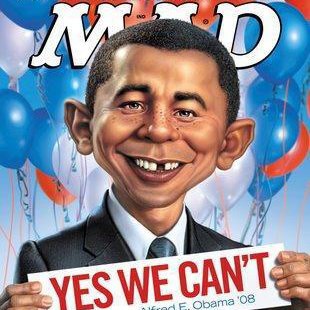
Did you change the top photo yourself from “You” to “I?”
Unfortunately, I can’t take credit for that. 😉