
On Medicare Advantage? California Residents With Health Issues May Have a Way to Switch to a Medicare Supplement

If you or someone you know has a Medicare Advantage (MA) plan and has developed health issues, there may be an important opportunity to explore this fall. Every fall, MA plans send their members an important document called an Annual Notice of Change (ANOC). This document explains how the plan’s premiums, costs, benefits, and other coverage details will change for the following year.

For many people, the ANOC is something they receive in the mail and put away without giving it much thought. But if you or someone you know has an MA plan and has been thinking about returning to Original Medicare (Part A and Part B), it is worth taking a closer look.

Thinking About Leaving Medicare Advantage?

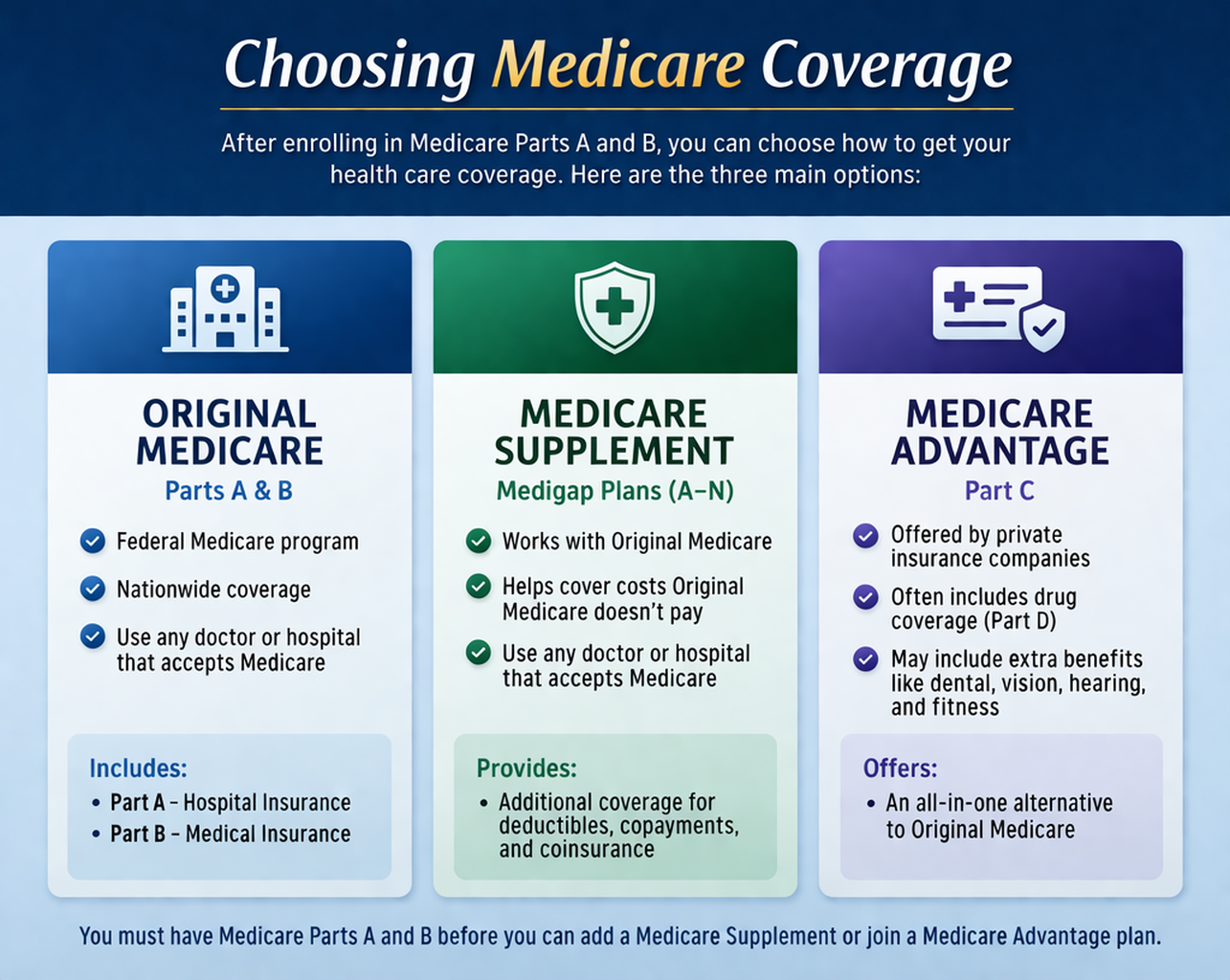
Some people who have been enrolled in MA plans eventually decide they would prefer Original Medicare along with a Medicare Supplement, also known as a Medigap policy.

One reason people hesitate to make that change is medical underwriting. Outside of certain guaranteed issue situations, someone applying for a Medicare Supplement may have to answer health questions and could be declined because of their health history. In some circumstances, a Medicare Supplement policy may also cost more when medical underwriting applies. That can be especially concerning for someone who developed significant health problems after enrolling in Medicare Advantage. However, California has specific protections for certain MA members whose plans make significant changes.

What Is an Annual Notice of Change?

MA plans generally send their ANOCs in September. The document explains changes that will take effect the following year, including changes to premiums, cost sharing, benefits, and other aspects of the plan.

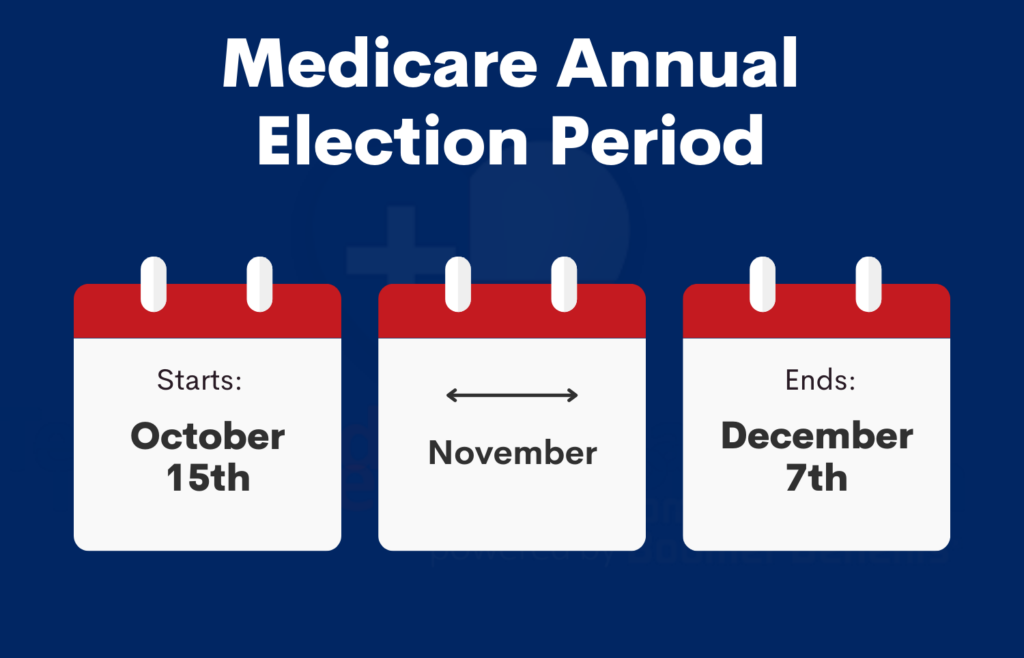
For 2027 (and every year) the Medicare Annual Election Period (AEP) runs from October 15th through December 7th. During this period, Medicare beneficiaries can make certain changes to their Medicare coverage, including returning to Original Medicare.

During the AEP, Medicare beneficiaries can also review and change their Medicare Part D prescription drug coverage for the following year. If you are returning to Original Medicare from a Medicare Advantage plan, it is especially important to make sure you have appropriate prescription drug coverage in place, since Original Medicare generally does not include Part D prescription drug coverage.

A California Protection You Should Know About

California Insurance Code Section 10192.12 provides guaranteed issue protections in certain situations for people enrolled in MA plans. For example, if an MA plan does any of the following:

  • Increases its premium by 15% or more
  • Increases physician, hospital, or drug copayments by 15% or more
  • Reduces benefits
  • Or discontinues its relationship with a provider who is currently treating the individual, other than for certain quality of care reasons

The individual may qualify for a Medicare Supplement without being medically underwritten, subject to the requirements of California law. This can be especially important for someone who has developed health conditions since enrolling in Medicare Advantage and might otherwise have difficulty qualifying for a Medicare Supplement.

It is important to understand that not every cost increase qualifies. The California law specifically refers to a 15% or greater increase in the MA plan’s premium or in physician, hospital, or drug copayments. Simply seeing a 15% increase in any cost listed in your ANOC does not necessarily mean you qualify for guaranteed issue. That is why it is important to review the actual changes carefully and determine whether the specific circumstances meet the requirements.

Which Medicare Supplement Company Can You Choose?

There is another important detail to understand about California’s guaranteed issue protections. If your MA plan makes a qualifying change, California law generally gives you the right to obtain a Medicare Supplement from the same insurance company that provides your MA plan, if that company offers Medicare Supplement policies. The law also provides for certain related companies, including a subsidiary of the parent company or a network that contracts with the parent company.

If a Medicare Supplement is not available through those related companies, you may be eligible to obtain a Medicare Supplement from another insurance company if your MA plan has made one of the qualifying changes described above, such as increasing the premium by 15% or more, increasing physician, hospital, or drug copayments by 15% or more, or reducing benefits.

For an unaffiliated Medicare Supplement company, the enrollment normally takes place during the AEP. That is one reason it is important to review your ANOC early and understand exactly what your options may be.

Don’t Just File Away Your Annual Notice of Change

When your ANOC arrives, don’t simply put it in a drawer. Take a few minutes to compare your current year’s costs and benefits with what your plan will offer in the coming year.

Pay particular attention to the following:

Premium Changes

  • Will your monthly premium increase by 15% or more?

Copayments

  • Are your physician, hospital, or prescription drug copayments increasing by 15% or more?

Benefits

  • Are any benefits being reduced or eliminated?

Your Providers

  • Will your doctors, hospitals, or other providers continue to participate in your plan?

If you notice significant changes, don’t assume that you have to remain in your MA plan simply because you have developed health problems. You may have options worth exploring.

Need Help Reviewing Your ANOC?

If you have an MA plan and receive your Annual Notice of Change, you are welcome to send me a copy of your ANOC. I can review the changes with you and help determine whether they may qualify you for guaranteed issue rights to a Medicare Supplement under California law.

If you are considering returning to Original Medicare, I can also help you understand your Medicare Supplement options. If you would like me to review your ANOC, simply email it to me at Ron@RonLewisInsurance.com. I’m happy to help you understand your options.

Why This Can Be Especially Important If Your Health Has Changed

Imagine someone who enrolled in an MA plan several years ago when they were relatively healthy. Since then, they may have developed heart disease, cancer, kidney disease, diabetes, or another significant medical condition. Today, they would like to return to Original Medicare and purchase a Medicare Supplement, but they are concerned that their health history could make it difficult to qualify. That is exactly why California’s protections can be important.

A qualifying change to the MA plan may create a guaranteed issue opportunity that could otherwise be unavailable. However, eligibility is based on the specific circumstances, the plan changes, the timing of the disenrollment and the applicable Medicare Supplement rules. A qualifying change does not automatically mean that every Medicare Supplement plan from every carrier is available.

Don’t Wait Until December 7th

If you are considering a change, don’t wait until the last minute. The Medicare Annual Election Period (AEP) runs from October 15th through December 7th each year. If you believe your ANOC shows a change that may give you guaranteed issue rights under California law, it is a good idea to have your situation reviewed early in the AEP.

That gives you time to review your current Medicare Advantage coverage, examine the changes in your ANOC, determine whether you may qualify for guaranteed issue, compare available Medicare Supplement options, complete an application if appropriate, and allow time for the application and enrollment process.

Know Your Options

If you or someone you know has Medicare Advantage and has developed significant health problems, don’t automatically assume that returning to Original Medicare and obtaining a Medicare Supplement is impossible. The ANOC may reveal changes that are important to your Medicare options for the coming year.

And this information isn’t just for you. If you have a parent, spouse, friend, relative, or someone else you care about who has Medicare Advantage, particularly someone with significant health issues, consider forwarding this article to them. Encourage them to review their ANOC when it arrives. A few minutes spent reviewing that document could be very important.

If you see a qualifying increase in premiums or specified copayments, a reduction in benefits, or another situation described under California law, reach out to me or another licensed Medicare insurance professional to find out whether you may qualify for guaranteed issue Medicare Supplement coverage.

I’m always happy to help you understand your options and determine whether these protections may apply to your situation.

This article is for educational purposes only and is not intended to provide legal, tax, or insurance advice. Medicare and California Medicare Supplement rules are subject to change. Guaranteed issue rights depend on the individual’s specific circumstances, the Medicare Advantage plan’s changes, timing, and applicable federal and California rules. Eligibility for a particular Medicare Supplement policy is not guaranteed by this article.

About the Author
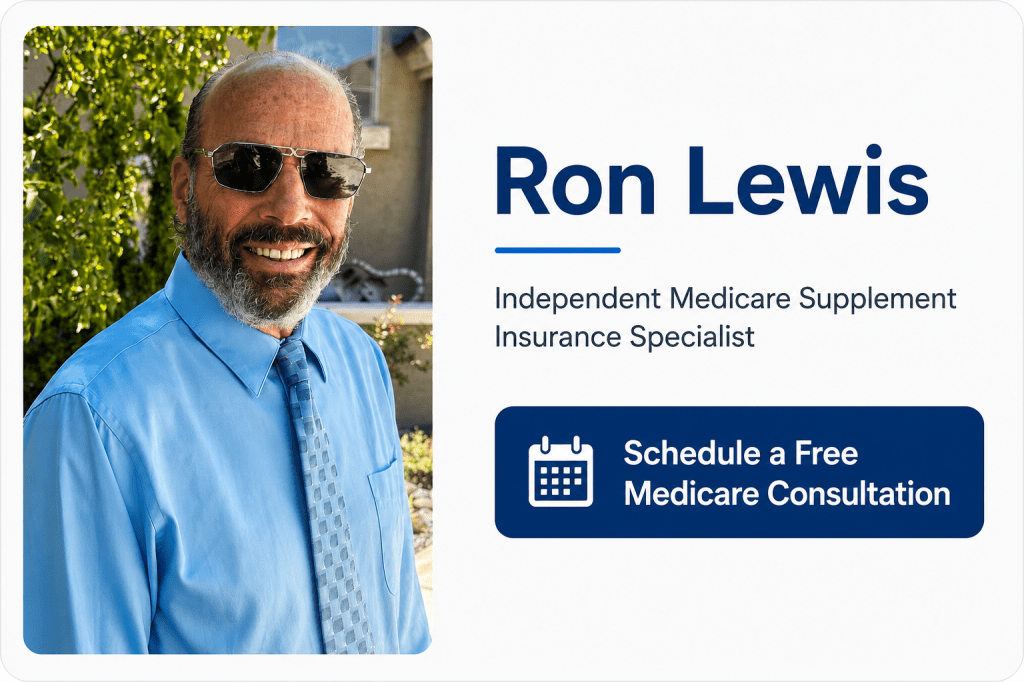
I’m an independent Medicare Supplement insurance specialist working with most of the major insurance carriers throughout California, Nevada, Arizona, and several other states.

I help people turning 65 coordinate their Medicare enrollment so their Medicare Supplement and prescription drug coverage begin at the same time as Medicare.

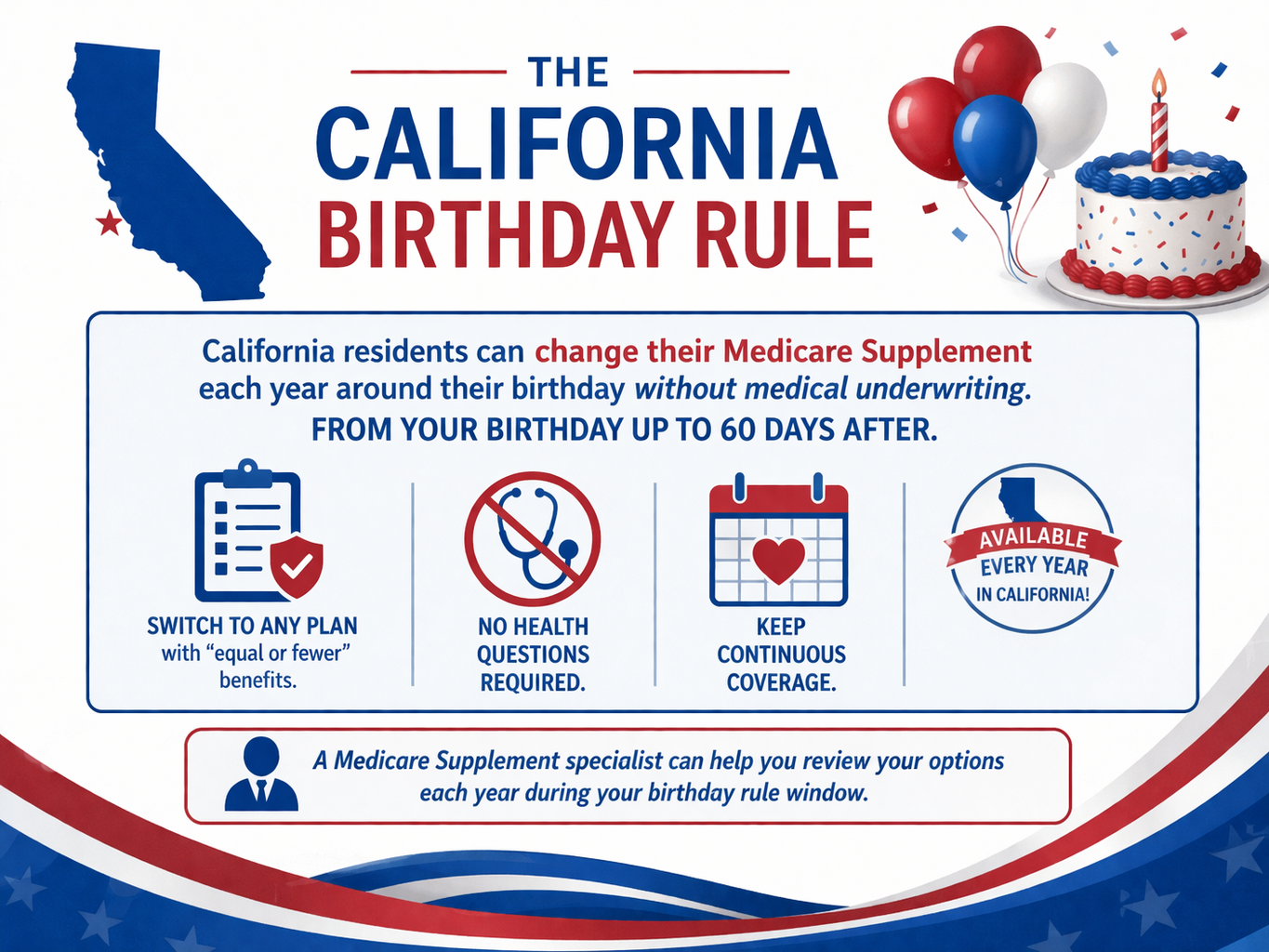
I also work with many people who already have Medicare Supplement plans and would like to review their options. In California, there is a law called the California Birthday Rule, which allows Medicare Supplement policyholders to change their plans each year during the 60 days following their birthday without answering health questions or going through medical underwriting. During this annual 60-day enrollment period, you cannot be turned down for coverage when changing to a Medicare Supplement plan with the same or fewer benefits.

I regularly help clients lower their Medicare Supplement premiums while keeping the same benefits and coverage.

Over the years, I have helped many clients save hundreds and sometimes even thousands of dollars on their annual premiums.

There is never a fee for my services because I am compensated by the insurance companies, not my clients. My goal is to help you find competitive premiums while providing dependable, personal service year after year.

If you’re turning 65 or already have a Medicare Supplement plan and would like to review your options, I’m happy to help.

Read what my clients have to say about working with me.

Contact Information

Ron Lewis
Independent Medicare Supplement Insurance Specialist

Cell: (760) 525-5769

Toll-Free: (866) 718-1600

Email: Ron@RonlewisInsurance.com

Website: www.MedigapShopper.com

Insurance Licenses

  • California: #0B33674
  • Nevada: #3822123
  • Arizona: #681166

This website is operated by a licensed insurance agent and is intended for educational purposes only. I am not affiliated with or endorsed by Medicare or any government agency.


The Cholesterol Test You May Not Have Had: Why Lp(a) Matters

When was the last time you had your cholesterol checked? If you are like most people, you have probably had a standard cholesterol panel many times. But there is another cholesterol-related blood test that you may never have had checked, and you may want to ask your doctor about it. It is called lipoprotein(a), or Lp(a).

Lp(a) blood test shown with a heart and cholesterol panel, illustrating why Lp(a) testing may be important for heart health.

What Is Lp(a)?

Lp(a) is a type of lipoprotein in your blood that is largely determined by your genetics. Unlike your regular cholesterol numbers, your Lp(a) level is generally established early in life and remains relatively stable throughout your lifetime. A high Lp(a) level is associated with an increased risk of cardiovascular disease, including heart attack and stroke.

One important thing to know is that Lp(a) is not included in a standard cholesterol panel. Your routine blood work may include total cholesterol, LDL cholesterol, HDL cholesterol and triglycerides. Lp(a), however, requires a separate blood test.

A New Recommendation for 2026

There is an important reason to pay attention to Lp(a) now. The 2026 American College of Cardiology and American Heart Association cholesterol guidelines recommend that Lp(a) be measured at least once in every adult’s lifetime.

Because Lp(a) is largely determined by genetics and tends to remain relatively stable, most people do not need to have it checked repeatedly. If you have never had your Lp(a) measured, consider asking your doctor whether the test would be appropriate for you.

Want to learn more? The American Heart Association provides information about the 2026 Guideline on the Management of Dyslipidemia, including its recommendation regarding Lp(a). Please click here for more details.

Why Does Lp(a) Matter?

Having a high Lp(a) level does not mean that you are destined to have a heart attack or stroke. Instead, it gives your doctor another piece of information to consider when evaluating your overall cardiovascular risk. Your doctor can look at your Lp(a) level along with other factors such as your LDL cholesterol, blood pressure, diabetes status, family history and other health information. This can help provide a more complete picture of your cardiovascular health.

“But My Cholesterol Is Normal”

This is one reason Lp(a) is so interesting. Someone can have a relatively good LDL cholesterol number and still have an elevated Lp(a) level. That is because Lp(a) provides different information than the cholesterol numbers found on a standard lipid panel. Knowing your Lp(a) level may give your doctor additional information when determining your overall cardiovascular risk.

What Can You Do About a High Lp(a)?

Because Lp(a) is largely determined by genetics, diet and exercise do not substantially lower the Lp(a) number itself. That does not mean a healthy lifestyle is unimportant. Eating a heart healthy diet, exercising regularly, maintaining a healthy weight, avoiding tobacco and managing blood pressure and LDL cholesterol are all important ways to reduce your overall cardiovascular risk. If your Lp(a) is elevated, your doctor may pay particular attention to controlling other cardiovascular risk factors, particularly LDL cholesterol.

What About Medicare Coverage?

This is an important question for Medicare beneficiaries. Medicare coverage for Lp(a) testing can depend on the reason the test is ordered and whether Medicare considers it medically necessary under the applicable coverage rules. It is important not to assume that Medicare will automatically cover the test simply because a doctor orders it.

If your doctor recommends an Lp(a) test, ask the doctor’s office or laboratory whether Medicare is expected to cover it and whether you could have an out of pocket expense. If Medicare does not cover the test, the good news is that Lp(a) testing can be relatively inexpensive when paid for directly.

For example, Quest currently lists its Lp(a) test at $45, plus a $6 physician service fee, while Labcorp currently lists its Lp(a) test for $49. Prices can change, and other laboratories may charge different amounts. For a test that most people may only need once in their lifetime, that may be a relatively affordable way to learn an additional piece of information about your cardiovascular risk.

One Simple Question to Ask Your Doctor

If you have never had your Lp(a) checked, consider asking: “Have I ever had an Lp(a) blood test? If not, would it make sense for me to have one?” You may already know your cholesterol numbers, but you may not know your Lp(a). With the new 2026 cholesterol guidelines recommending that every adult have Lp(a) measured at least once, it is worth having a conversation with your doctor.

The bottom line: Knowing your cholesterol is important, but Lp(a) may provide another piece of the puzzle when it comes to understanding your heart health.

This article is for educational purposes only and is not intended to provide medical advice. Talk with your physician about whether Lp(a) testing is appropriate for you and about your individual cardiovascular risk and potential insurance coverage.

About the Author

I’m an independent Medicare Supplement insurance specialist working with most of the major insurance carriers throughout California, Nevada, Arizona, and several other states.

I help people turning 65 coordinate their Medicare enrollment so their Medicare Supplement and prescription drug coverage begin at the same time as Medicare.

I also work with many people who already have Medicare Supplement plans and would like to review their options. In California, there is a law called the California Birthday Rule, which allows Medicare Supplement policyholders to change their plans each year during the 60 days following their birthday without answering health questions or going through medical underwriting. During this annual 60-day enrollment period, you cannot be turned down for coverage when changing to a Medicare Supplement plan with the same or fewer benefits.

I regularly help clients lower their Medicare Supplement premiums while keeping the same benefits and coverage.

Over the years, I have helped many clients save hundreds and sometimes even thousands of dollars on their annual premiums.

There is never a fee for my services because I am compensated by the insurance companies, not my clients. My goal is to help you find competitive premiums while providing dependable, personal service year after year.

If you’re turning 65 or already have a Medicare Supplement plan and would like to review your options, I’m happy to help.

Read what my clients have to say about working with me.

Contact Information

Ron Lewis
Independent Medicare Supplement Insurance Specialist

Cell: (760) 525-5769

Toll-Free: (866) 718-1600

Email: Ron@RonlewisInsurance.com

Website: www.MedigapShopper.com

Insurance Licenses

  • California: #0B33674
  • Nevada: #3822123
  • Arizona: #681166

This website is operated by a licensed insurance agent and is intended for educational purposes only. I am not affiliated with or endorsed by Medicare or any government agency.
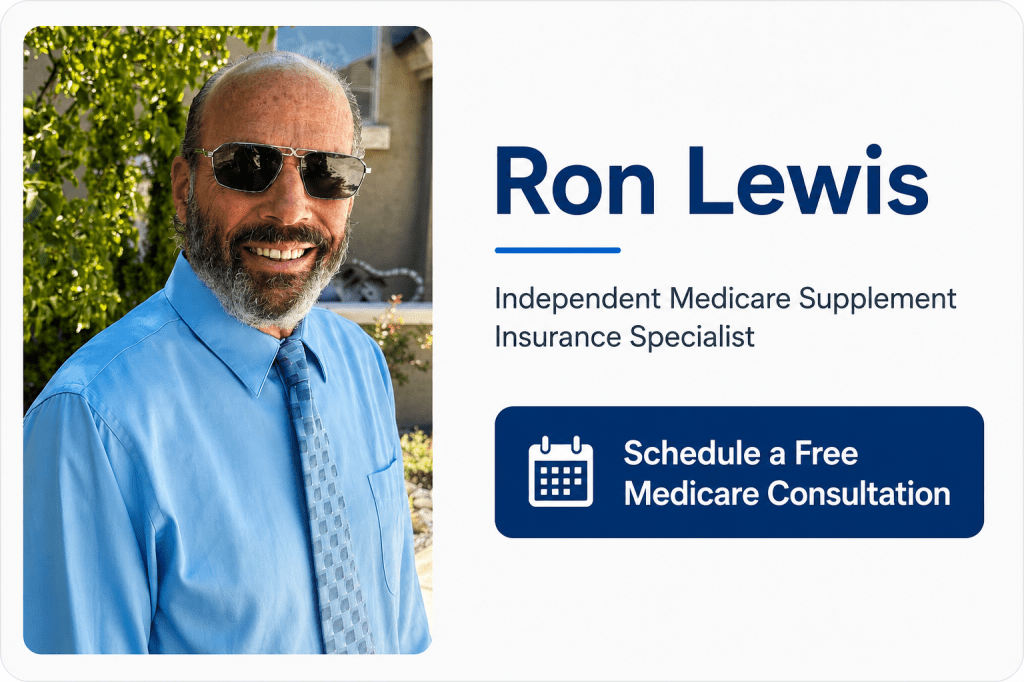
Medicare Fraud Warning Signs in 2026: What Every Beneficiary Should Know

Medicare card security update showing protection against fraud and new Medicare card number replacement notice for 2026
Some Medicare beneficiaries are receiving new Medicare card numbers as part of ongoing fraud protection efforts

Recently, some Medicare beneficiaries have heard that new Medicare card numbers are being issued in 2026. Many people are wondering whether this affects them. Here is what you should know.

Are Medicare Card Numbers Changing This Year

Yes, but only for a small number of people. The Centers for Medicare & Medicaid Services is mailing new Medicare card numbers to certain beneficiaries as part of a security update related to fraud prevention. If you are affected, your new card will arrive automatically by mail. You do not need to request one.

NOTE: Most Medicare beneficiaries will not receive a new number.

Why Some Medicare Numbers Are Being Replaced

From time to time, the Centers for Medicare and Medicaid Services updates Medicare identification numbers for certain beneficiaries as part of ongoing efforts to protect personal information and reduce fraud. If your number is affected, Medicare automatically sends a replacement card by mail and no action is required from you.

What Should You Do If You Receive a New Medicare Card

If you receive a new Medicare card in the mail, you should do the following:

  • Start using the new number immediately
  • Safely destroy your old card
  • Share your new number with your doctors if needed
  • Let your insurance agent know so your records stay updated

There is no cost for a replacement Medicare card. If your Medicare card is lost or damaged, you can request a replacement card at any time through your secure account at Medicare.gov or by calling (800) MEDICARE. Replacement cards are mailed directly from Medicare and there is never a fee for this service.

Important Fraud Warning

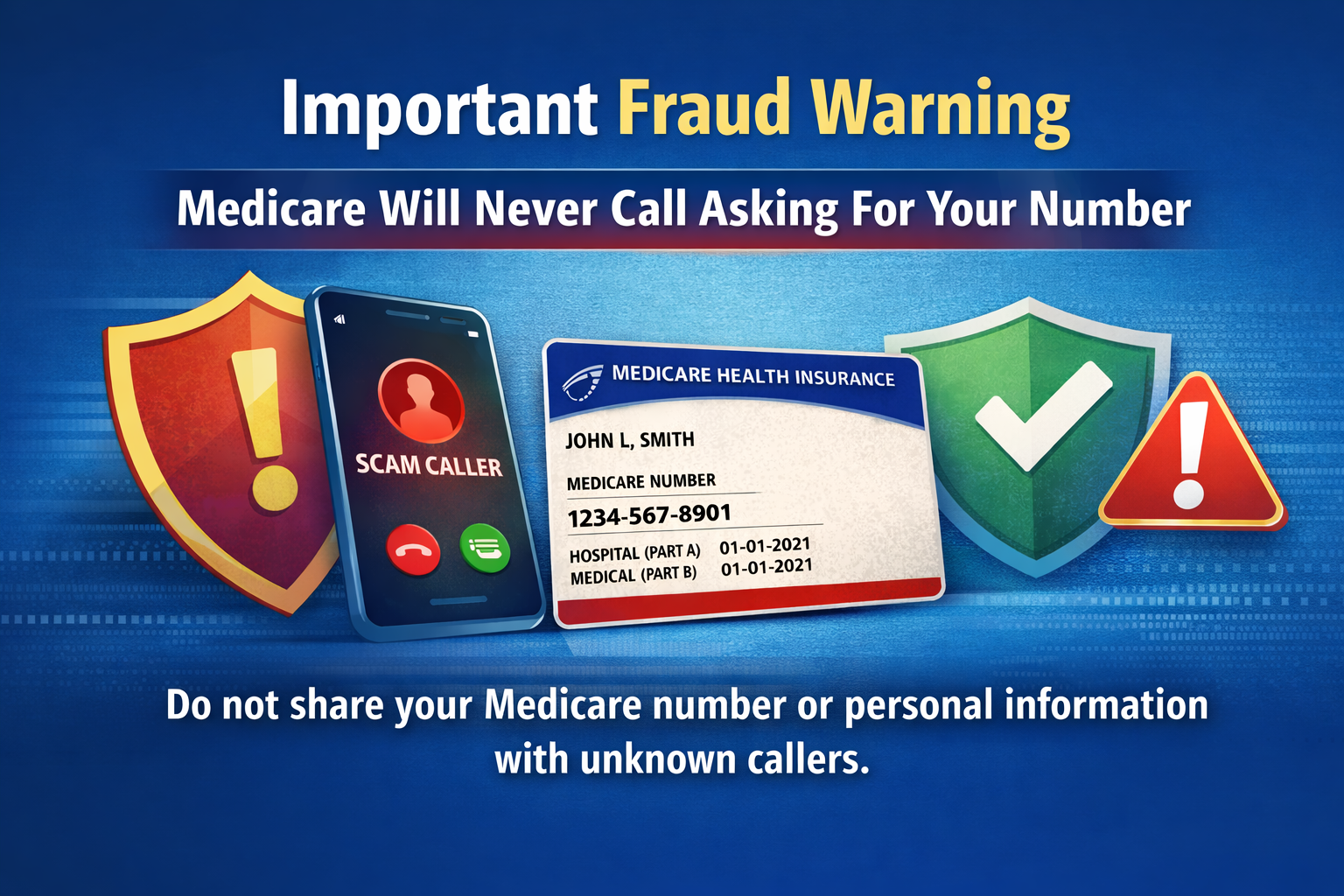
Medicare fraud warning graphic explaining that Medicare will never call asking for your Medicare number
Medicare will never call unexpectedly asking for your Medicare number

Unfortunately, scammers often take advantage of situations like this.

Please remember that Medicare will never do any of the following:

  • Call you unexpectedly to ask for your Medicare number
  • Charge you for a replacement card
  • Ask for banking information to send a new card
  • Threaten that your coverage will be cancelled unless you respond immediately
  • Send plastic or chip Medicare cards

IMPORTANT: If someone contacts you and asks for personal information related to your Medicare card, it is very likely a scam.

How To Recognize An Official Medicare Mailing

An official Medicare mailing does the following:

  • Arrives by postal mail
  • Does not request payment
  • Does not ask for banking information
  • Includes your name exactly as shown on your Medicare card
  • Does not require immediate action to keep your coverage active

If something feels urgent or requests personal information, it is best to verify it before responding.

What Should You Do If You Receive a Suspicious Call

If you receive a suspicious call about Medicare, the safest step is to contact Medicare directly at (800) MEDICARE to confirm whether the request is legitimate. You are also welcome to contact me if you would like help reviewing anything you receive.

Where To Learn More About Medicare Fraud Prevention

If you would like additional information about how to protect yourself from Medicare fraud, these official resources can help:

Medicare fraud prevention information
https://www.medicare.gov/fraud

Senior Medicare Patrol assistance program
https://www.smpresource.org

These trusted sources explain warning signs and what steps to take if something does not seem right.

My Recommendation to Clients

If anyone contacts you about your Medicare card and you are unsure what to do, it is always best to verify the request before responding. Protecting your Medicare information helps prevent fraud and keeps your coverage secure.

If you ever receive a Medicare related notice and are unsure whether it applies to your coverage, I am always happy to help review it with you.

About the Author

I’m an independent Medicare Supplement insurance specialist working with most of the major insurance carriers throughout California, Nevada, and several other states. I help people turning 65 coordinate their Medicare enrollment so their Medicare Supplement and prescription drug coverage begin at the same time as Medicare.

I also work with many people who already have Medicare Supplement plans and would like to review their options. In California, the Medicare Supplement Birthday Rule allows policyholders to change their plans each year without medical underwriting, and I regularly help clients lower their premiums while keeping the same identical plan and coverage. Many of my clients have saved hundreds, and sometimes thousands, of dollars.

There is no charge for my services because I am compensated by the insurance carriers, not my clients. My goal is to help you find competitive premiums and provide dependable personal service year after year.

If you are turning 65 soon, or if you already have a Medicare Supplement plan and would like to review your options, I am happy to help.

You can also click here to read what my clients have to say about working with me.

Serving Medicare clients throughout California, Nevada, and several other states.

Ron Lewis
Licensed Insurance Agent

(760) 525-5769 – Cell
(866) 718-1600 – Toll-free
Ron@RonLewisInsurance.com
www.MedigapShopper.com

CA Insurance License: #0B33674
NV Insurance License: #3822123
AZ Insurance License: #681166

This website is operated by a licensed insurance agent and is intended for educational purposes only. I am not affiliated with or endorsed by Medicare or any government agency.

Why You Should Contact HICAP for Help Choosing a Medicare Prescription Drug Plan

Choosing a Medicare Prescription Drug Plan (PDP), which is also known as Part D, can feel overwhelming. With dozens of plans available, each with different premiums, deductibles, copays, and pharmacy networks, it’s easy to make a costly mistake.

As a Medicare Supplement (Medigap) insurance agent, I often get questions from clients who also want help selecting a Part D plan. While I’d love to help, I recently learned that helping someone choose or enroll in a Part D plan without proper certification could put my insurance license at risk. However, there’s a better option that is free, unbiased, and comprehensive through the Health Insurance Counseling and Advocacy Program (HICAP).

Many Insurance Agents Have Stopped Selling Prescription Drug Plans

If you’ve noticed that fewer independent agents are offering Medicare Prescription Drug (Part D) plans, you’re not imagining things. Over the past couple of years, the Centers for Medicare & Medicaid Services (CMS) has introduced an increasing number of onerous regulations that have made it extremely difficult for many agents to continue offering these plans, especially independent agents who value personal service and client relationships.

For example, CMS recently began requiring insurance agents to record every marketing, sales, and enrollment call related to Medicare Prescription Drug Plans (Part D). This means any discussion involving benefits, costs, or plan comparisons must be recorded, both inbound and outbound, and those recordings must be securely stored for 10 years. Agents don’t like this and many Medicare beneficiaries don’t want their conversations recorded.

While these rules were intended to protect consumers from misleading marketing, the burden of compliance has become overwhelming for many professionals in the field. For more detailed information, please click here to check out my other blog called “Why Many Insurance Agents Have Stopped Selling Prescription Drug and Advantage Plans,” and click here to to check out another related blog called “Why You May Be Better Off Choosing Your Own Medicare Prescription Drug Plan (Part D).”

Why an Insurance Agent Might Not Be Enough

Many insurance agents are only certified to sell PDP’s from certain insurance carriers, which means:

  • They may not have access to every plan available in your area.
  • Their guidance could be influenced by commissions or appointments, even unintentionally.
  • You may not get a complete picture of your options, which can lead to higher costs or gaps in coverage.

That’s where HICAP comes in.

What is HICAP and How It Helps

The Health Insurance Counseling and Advocacy Program (HICAP) is a free, state-run program in California that provides free, confidential one-on-one counseling, education, and assistance to individuals and their families on Medicare, Long-Term Care insurance, other health insurance related issues, and planning ahead for Long-Term Care needs.

HICAP also provides legal assistance or legal referrals in dealing with Medicare or Long-Term Care insurance related issues. HICAP counselors are trained in Medi-Cal and Medicare and can help you understand the complex insurance options to find the best fit for you.

HICAP counselors:

  • Can show all available Part D plans in your area.
  • Provide completely unbiased guidance, with no sales pressure.
  • Help you compare costs, deductibles, co-pays, and pharmacy networks.
  • Walk you through the Medicare Plan Finder tool or help you understand your plan options.

What HICAP Services Are Available?

HICAP can help you with the following:

  • Have questions on prescription drug coverage, co-pays, or eligibility rules?
  • Wondering how to sign up for Medicare now that you are almost 65?
  • Confused about all the different parts to Medicare, do you need A, B, C, D?
  • Need help filing an appeal or challenging a denial?
  • Considering long-term care insurance?
  • Need a speaker for a community education event?

How a HICAP Session Works

Whether over the phone or in person, the process is simple:

  • Prepare your information: Have a list of all your prescriptions, your preferred pharmacy, and your zip code.
  • Enter your own prescriptions: You input your medication information into Medicare.gov.
  • Guided support: The HICAP counselor explains your options, interprets plan details, and answers questions.
  • Compare plans: They help you see which plan offers the best coverage for your needs.
  • Enrollment: You complete the enrollment yourself online or by calling the plan.

Who Can Get These Services?

Counseling is provided to the following individuals:

  • Persons 65 years of age or older and are eligible for Medicare
  • Persons younger than age 65 years of age with a disability and are eligible for Medicare
  • Persons soon to be eligible for Medicare

Why HICAP is the Best Choice

HICAP counselors provide a full picture of your options, which an insurance agent cannot always do. Their guidance is independent, comprehensive, and free. This ensures you make an informed decision about your prescription coverage without missing important details or paying more than necessary.

Check Out My Video — How to Sign Up for a PDP on the Medicare Website

This past year, I created a step-by-step YouTube video that shows you how to use the Medicare Plan Finder tool. Nothing has changed since last year. Instead of contacting a HICAP counselor, you should be able to watch the video and be able to select a PDP and enroll on your own. It’s really very easy! Please click here to watch the video. It’s only 14 minutes long.

Next Steps

If you’re ready to compare Medicare Prescription Drug Plans for 2026:

  • Click here to watch my Youtube video that explains how to to use the Medicare Plan Finder tool to select a PDP and enroll on your own.
  • Call HICAP at 1-800-434-0222 or click here to find a local office in California.
  • In other states besides California, you can get help at your local State Health Insurance Assistance Program (SHIP). Their phone number is 1-877-839-2675 or click here to find a local office outside of California.

And if you have questions about Medicare Supplement (Medigap) plans, I’m here to help guide you through your options.

Conclusion

Choosing a Part D plan doesn’t have to be stressful. By using HICAP’s free, unbiased services, you can get all the information you need to make the best decision for your health and budget, while staying in control of the process.

About the Author

As an independent Medicare Supplement insurance specialist, I work with most of the major insurance carriers throughout California, Nevada, Arizona, and several other states. I shop around for my clients every year during their 60-day annual open enrollment period under the California Birthday Rule to help them save money on their Medicare Supplement premiums. Many of my clients have saved hundreds, even thousands of dollars on the same exact plan and coverage! Please click here to see what my clients have to say about my services.

There is no charge for my services as I’m compensated by the insurance carriers, not my clients. My goal is to help you find the lowest premiums and provide the best personal service possible, year after year. Unlike many agents, I won’t do a magic act and disappear after you sign up! 🙂

If you enjoyed this blog and found it helpful, please leave your comments, questions, or feedback below and feel free to share this article with your friends!

Thank you!

Ron Lewis
Ron@RonLewisInsurance.com
www.MedigapShopper.com
(760) 525-5769 – Cell
(866) 718-1600 – Toll-free

Switching from Medicare Advantage to Medigap in California: What You Need to Know

Each year, many people in California decide to leave their Medicare Advantage (Part C) plan and return to Original Medicare (Part A and Part B) with a Medicare Supplement (Medigap) plan. Often, this happens when premiums, copays, or out-of-pocket costs increase, or when clients find their favorite doctors or hospitals are no longer in their plan’s network.

If you’ve ever wondered how to switch from Medicare Advantage to Medigap, it’s important to understand how the process works, and the potential challenges if you have existing health conditions.

You Can Switch Back to Original Medicare — But You’re Not Automatically Guaranteed Medigap Approval

You can drop your Medicare Advantage plan and go back to Original Medicare during certain times of the year, such as the Annual Election Period (AEP), which goes from October 15th through December 7th every year or during the Medicare Advantage Open Enrollment Period, which goes from January 1st through March 31st.

However, many people are surprised to learn that once they return to Original Medicare, they must apply separately for a Medicare Supplement plan, and approval is not guaranteed. In most cases, insurance companies can review your health history, which is called “medical underwriting,” and deny coverage if you have serious or chronic health conditions. That’s why timing and knowing the rules can make all the difference.

Medicare Guaranteed Issue Rights: The Hidden Opportunities

Here’s the good news… even if you have health problems, there are special Guaranteed Issue (GI) rights or situations that often let you enroll in a Medigap plan without health questions or underwriting.

These rights apply in specific situations and many beneficiaries don’t realize they qualify. Some are tied to Medicare Advantage plan changes, others to state-specific protections. In California, there are several lesser-known GI opportunities that can help people switch to Medigap coverage, even when they’ve been told “no” before.

I work with clients every year who thought they couldn’t qualify due to health issues and I’ve helped them get accepted for Medicare Supplement coverage using legitimate Guaranteed Issue options that most agents aren’t aware of or don’t mention to their clients.

Why Work with a Specialist Who Knows the California Rules

The Medicare rules in California are unique. Between the California Birthday Rule and other state-specific guaranteed issue protections, there are several ways to save money and secure coverage without medical underwriting.

As an independent Medicare Supplement insurance specialist, I work with all the major insurance carriers throughout California, Nevada, and several other states. My goal is simple. I want to help you find the best Medicare Supplement plan with the lowest premium and the most reliable coverage, year after year.

Let’s See What You Qualify For

If you’re considering leaving your Medicare Advantage plan or want to see if you qualify for a Guaranteed Issue Medicare Supplement, don’t wait until it’s too late.

There is no cost for my help. I’m paid by the insurance carriers, not my clients. I can review your situation, identify any Guaranteed Issue opportunities, and help you apply for the coverage that fits your needs and budget.

Contact me today to learn your options and see how much you could save on your Medicare Supplement plan.

About the Author

As an independent Medicare Supplement insurance specialist, I work with all the major insurance carriers throughout California, Nevada, and several other states. I shop around for my clients every year during their annual open enrollment period under the California Birthday Rule to help them save money on their Medicare Supplement premiums. Many of my clients have saved hundreds, even thousands of dollars for the same exact plan and coverage! Please click here to read what my clients have to say about my services.

There is no charge for my services as I’m compensated by the insurance carriers, not my clients. My goal is to help you find the lowest premiums and provide the best personal service possible, year after year. Unlike many agents, I won’t disappear after you sign up!

If you enjoyed this blog and found it helpful, please leave your comments, questions, or feedback below and feel free to share this article with your friends!

Thank you!

Ron Lewis
Ron@RonLewisInsurance.com
www.MedigapShopper.com
(760) 525-5769 – Cell
(866) 718-1600 – Toll-free

Why You May Be Better Off Choosing Your Own Medicare Prescription Drug Plan (Part D)

If you’ve ever tried to compare Medicare Prescription Drug Plans (PDPs), also known as Medicare Part D, you know how confusing it can be. There are dozens of options, and each plan has its own list of covered drugs (called a formulary), preferred pharmacies, and cost structure. What looks like a small difference in co-pays or premiums can easily add up to hundreds of dollars over the course of a year.

Why Most Agents No Longer Sell Prescription Drug Plans

You might assume that a licensed insurance agent can help you find the best plan, and in the past, many could. However, today’s system makes that much more difficult. Because of how Medicare’s certification and contracting rules work, most independent agents are not certified with every drug plan available in your area. They can only recommend or enroll you in a limited number of specific plans they are contracted with and certified to sell.

If another company offers a plan with lower co-pays or better coverage for your medications, your agent may not even be allowed to discuss it with you. Why? Because they don’t get paid for selling plans they’re not certified or contracted to represent. Even if they know a different plan would save you money, compliance rules and commission structures prevent them from showing it to you.

The Hidden Time and Cost Burden on Agents

Before an agent can help anyone with a PDP or a Medicare Advantage (MA) plan, they must complete extensive training and certification every year. This starts with the AHIP certification exam, which takes many agents 10–20 hours of study time to complete. The AHIP exam covers topics such as Medicare compliance, plan rules, CMS marketing guidelines, etc.

But that’s only the beginning. Agents must also spend time studying and taking individual certification exams for EVERY insurance company whose plans they want to sell. Each carrier’s certification process is different. Some require several hours of training, testing, and annual renewal. Altogether, a well-rounded agent could easily spend 50+ hours each year just keeping up with certifications before they can even begin helping clients.

Then there are the CMS compliance rules, which now require all sales calls related to PDPs and MA plans to be recorded and stored securely for 10 years! The added administrative burden and potential liability make it even less practical for agents to offer these plans, especially since commissions for prescription plans are typically under $100 per year per client. Many agents have simply decided that it’s not worth the time and effort.

How You Can Shop and Enroll in a Drug Plan On Your Own

Fortunately, Medicare makes it easy for you to shop around on your own and sign up for a prescription drug plan at www.Medicare.gov by using the exact same tool that agents use.

This past year, I put together a short video that explains how to shop for and sign up for a Medicare prescription drug plan using the Medicare Plan Finder tool. It’s actually very easy, and there aren’t any significant changes since last year. Please click here to watch the video.

The Medicare Plan Finder is available 24/7 and it is updated every fall with the latest plan information. It allows you to make an informed decision without pressure or bias, and without worrying whether your agent is certified to sell a particular plan.

Review Your Coverage Each Fall

Even if you’re happy with your current PDP, it’s important to review your coverage each year during the Annual Election Period (AEP), which goes from October 15th through December 7th each year. PDPs are annual contracts, and drug prices, plan premiums, and pharmacy networks can change every year. What’s good this year may not be so good next year.

It only takes about 15 to 20 minutes to shop around and review your PDP options, and it could save you literally hundreds of dollars and ensure you have the right coverage for your specific prescriptions.

The Bottom Line

Most Medicare agents are honest, hardworking professionals who want to help their clients, but the system is stacked against them when it comes to prescription drug plans. Between certification costs, compliance rules, and low commissions, many agents have chosen to focus on Medicare Supplements, Medicare Advantage plans, or other types of insurance products instead.

By learning how to shop for your own prescription drug coverage at Medicare.gov, you can take control of your health care costs, stay informed, and make sure you’re always getting the best prescription drug plan every year.

About the Author

As an independent Medicare Supplement insurance specialist, I work with all the major carriers throughout California, Nevada, and several other states. I shop around for my clients every year during their 60-day annual open enrollment period under the California Birthday Rule to help them save money on their Medicare Supplement premiums. Many of my clients have saved hundreds, even thousands of dollars on the same exact plan and coverage! Please click here to see what my clients have to say about my services.

There is no charge for my services as I’m compensated by the insurance carriers, not my clients. My goal is to help you find the lowest premiums and provide the best personal service possible—year after year. Unlike many agents, I won’t disappear after you sign up!

If you enjoyed this blog and found it helpful, please leave your comments, questions, or feedback below and feel free to share this article with your friends!

Thank you!

Ron Lewis
Ron@RonLewisInsurance.com
www.MedigapShopper.com
(760) 525-5769 – Cell
(866) 718-1600 – Toll-free

Medicare Fraud Awareness: Protect Yourself and Your Benefits

Medicare fraud is a serious issue that affects millions of Americans each year, and it costs taxpayers billions of dollars. Fraudulent activities not only waste valuable resources but can also put your personal health information at risk. This article takes a closer look at Medicare fraud, how to recognize it, and what you can do to protect yourself.

What is Medicare Fraud?

Medicare fraud occurs when someone intentionally misleads or deceives Medicare for financial gain. Here are some examples:

  • Billing for services you didn’t receive: Providers may bill Medicare for treatments, tests, or procedures that you didn’t actually receive.
  • Falsifying diagnoses or treatments: Some fraudulent providers might fabricate medical records to justify unnecessary treatments or prescriptions.
  • Unnecessary tests or treatments: Some providers might encourage you to undergo tests or treatments that are unnecessary, just so they can bill Medicare for them.
  • Medicare card theft: Fraudsters may steal your Medicare card to use it for unauthorized services or sell it to others.

How to Identify Medicare Fraud

It’s important to stay vigilant and be aware of potential fraud. Here are a few red flags to watch out for:

  • Unsolicited Calls or Visits: Be wary of phone calls or home visits from people who say they’re from Medicare or healthcare companies, especially if they are asking for your personal information. Medicare will never call you without reason to request personal information.
  • Offers of “Free” Services: If someone offers you “free” services in exchange for your Medicare number, that’s a huge red flag. While some services are covered by Medicare, be cautious about anything that sounds too good to be true.
  • Incorrect or Unfamiliar Charges: Always review your Medicare Summary Notice (MSN) or Explanation of Benefits (EOB). If you see charges for services you didn’t receive, contact the provider immediately.
  • Pressure to Join a Plan or Buy a Product: Scammers may pressure you to sign up for a plan or buy a product that you don’t need. Take your time to make decisions and consult with a trusted advisor if needed.

How to Protect Yourself From Medicare Fraud?

Here are some ways to protect yourself from Medicare Fraud:

  • Safeguard Your Medicare Number: Treat your Medicare card like a credit card. Don’t share it with anyone except your trusted healthcare providers.
  • Be Informed: Know what services and treatments are covered by your Medicare plan. Review your benefits regularly and ask questions if something doesn’t seem right.
  • Keep Track of Your Medical Bills: Stay organized by keeping records of your appointments, prescriptions, and any medical services you receive. This will make it easier to spot discrepancies on your billing statements.
  • Report Suspected Fraud: If you believe you’ve been a victim of Medicare fraud or notice suspicious activity, don’t hesitate to report it to:
    • Medicare: Call 1-800-MEDICARE (1-800-633-4227) or visit www.medicare.gov.
    • The Department of Health and Human Services Office of Inspector General (OIG): You can file a report online at oig.hhs.gov.

What Happens After Reporting?

Once a fraud case is reported, Medicare’s fraud prevention team will investigate the issue. If fraudulent activity is found, it could result in fines, loss of provider licenses, or even criminal charges against the perpetrator. Additionally, reporting helps Medicare improve fraud detection measures to protect other beneficiaries.

Final Thoughts

Medicare fraud is a real threat, but with awareness and vigilance, you can protect yourself and your healthcare benefits. Always question anything that seems suspicious and don’t hesitate to report anything unusual. Your attention to detail can help stop fraud and safeguard your Medicare benefits.

About Me

I hope that you have found this information to be interesting and informative. I’m an independent insurance agent with over 15 years of experience specializing in Medicare Supplement insurance, primarily in California. As an independent agent, I work with most of the major insurance carriers including Ace Property and Casualty, AFLAC, Mutual of Omaha, Cigna, Blue Shield of CA, Anthem Blue Cross, Health Net, Aetna, etc.

I have hundreds of clients, and I shop around for them every year. Please click here to see some of my client testimonials.

FINAL TIP: If you have any questions, or if you know anyone that is turning 65 or starting Medicare, or if you would like for me to shop around for you, I’m happy to help, and there is no charge for my service!!! Please feel free to call me or send me an email! Also, please feel free to forward this blog to anyone you know who may be interested.

Thank you!

Ron Lewis
CA agent #0B33674
NV agent #3822123

Ron@RonLewisInsurance.com
866.718.1600 (Toll-free)
760.525.5769 (Cell)
www.MedigapShopper.com